
Locations:
February-March Everglades National Park & The Florida West Coast
March-September Florida Panhandle & The Big Bend
Megalopse Atlanticus (Tarpon) represent the best shallow water game fish the world has to offer. Tarpon migrate in shallow water, eat fly’s just under the surface and may jump over 6 ft out of the water. If you are looking for a fish that will burn all your backing off your reel over and over again then look no further, Tarpon fly fishing offers just that.
With over 25 years of experience Panhandle Heritage Fly Fishing specializes in the art of locating Tarpon and site fishing them along the disclosed and undisclosed fisheries up and down the Gulf Coast of Florida.
- Areas we Guide our Fly Fishing Anglers for Tarpon; Apalachicola | Cape San Blas | Carrabelle | Alligator Point | Panacea | Saint Teresa | Florida’s Big Bend.
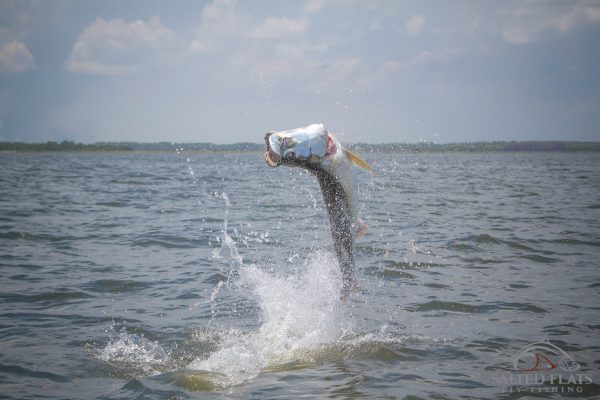

February – March Tarpon trips are available in Everglades National Park.
This south Florida fishery is known for it’s labyrinth of waterway’s and shallow basins teaming with gamefish. The backcountry waters range from a deep red tannin ecosystem to the crystal clear waters of the Gulf edges located on the western boundary of the outer islands. Sight fishing opportunities range from the early season 100+ pound tarpon to snook, and redfish.
March – September I relocate back up to Apalachicola, located up on the Florida Panhandle.
This system covers a 208 square mile area including Saint Joseph Bay, East Bay, St. George Sound, St. Vincent Sound, and Apalachee Bay. Apalachicola Bay has long been known for it’s seafood, most of all it’s Oyster’s. The realisation or interest of Tarpon in the area however is not old knowledge. Fly Angler’s have only been targeting Tarpon here since the late 90’s. Panhandle Heritage Fly Fishing heads off the migration of these fish during the spring and summer months of April, May, June, July, August, and September. During these months Tarpon make an annual migration through the Panhandle & Big Bend waters. They swim in depths of 1-8 ft. and willingly eat fly’s regularly. The reason these Tarpon are so prone to eat is because they haven’t seen a boat in over a 140 miles, so they are as fresh as they will be at any point on their migration up the west coast of Florida.